Smart Food Choices for Better Health Every Day
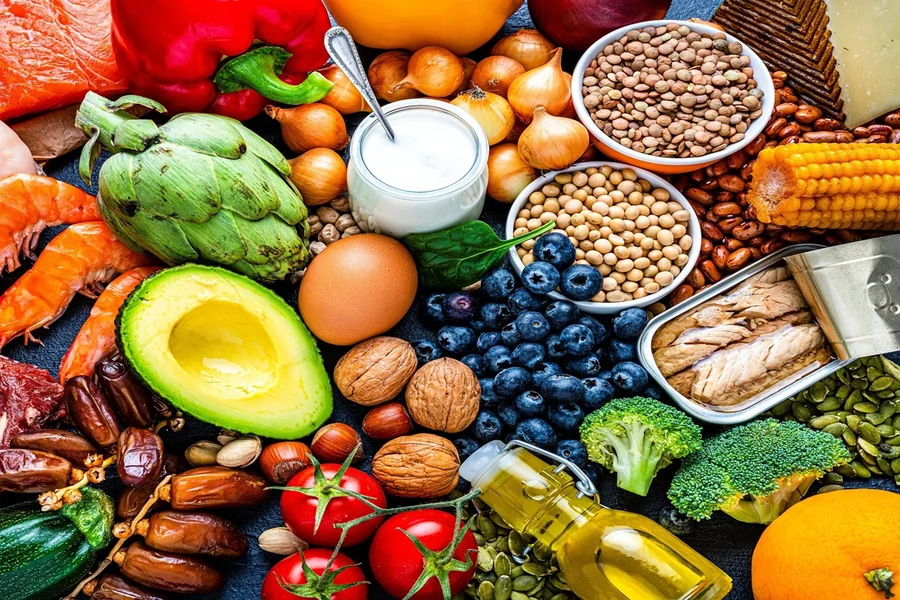
The food we eat every day plays an important role in how we feel, think, and function. Smart Food Choices for Better Health do not require expensive ingredients or complicated meal plans. Instead, they involve selecting a variety of nutritious foods that provide the body with essential vitamins, minerals, protein, fiber, and healthy fats. A balanced eating routine can support energy levels, digestion, heart health, and overall well-being. Small changes, such as adding vegetables to meals, choosing whole grains, and drinking enough water, can make a meaningful difference over time. By understanding basic nutrition and planning meals thoughtfully, you can develop healthier habits that fit your schedule, preferences, and budget.
1. Build Balanced Meals With Nutritious Foods
A balanced meal includes different food groups that work together to meet your nutritional needs. Vegetables and fruits provide vitamins, minerals, and fiber, while whole grains supply energy and additional nutrients. Protein-rich foods, such as eggs, fish, beans, lentils, chicken, and tofu, support tissue repair and muscle maintenance. Healthy fats from nuts, seeds, avocados, and vegetable oils also contribute to normal body functions. An easy way to build a balanced plate is to fill about half with vegetables and fruits, one-quarter with protein-rich foods, and one-quarter with whole grains. Adjust portions according to your appetite, activity level, and individual needs. Variety helps make meals nutritious, satisfying, and enjoyable.
2. Choose Whole Foods More Often
Whole and minimally processed foods can make it easier to build a nutritious eating pattern. Fresh fruits, vegetables, oats, brown rice, beans, nuts, and plain yogurt provide useful nutrients without requiring complicated preparation. Highly processed foods can also fit into a balanced diet, but some products contain high amounts of added sugar, sodium, or saturated fat. Reading food labels helps you compare options and understand what you are buying. For example, choose whole-grain bread when available, select unsweetened yogurt, and compare the sodium content of packaged soups or sauces. Frozen vegetables and canned beans are convenient alternatives to fresh ingredients. Rinsing canned beans can help reduce some of their added sodium.
3. Reduce Excess Sugar, Salt, and Unhealthy Fats
Paying attention to added sugar, sodium, and saturated fat is another practical way to improve everyday nutrition. Frequently consuming excessive added sugar can make it harder to maintain a balanced diet, while too much sodium may contribute to high blood pressure in some people. Foods high in saturated fat can also affect blood cholesterol levels when eaten frequently in large amounts. Try drinking water instead of sugary beverages, seasoning meals with herbs and spices, and using moderate amounts of oil when cooking. Choose unsalted nuts, compare nutrition labels, and enjoy sweets as occasional treats rather than everyday staples. These changes do not mean eliminating every favorite food; they simply help create a healthier overall eating pattern.
4. Plan Meals and Make Healthy Eating Convenient
Meal planning helps turn healthy intentions into manageable daily habits. Before shopping, create a simple list of meals and ingredients you will need for the coming days. Preparing staples such as rice, lentils, boiled eggs, or chopped vegetables ahead of time can reduce cooking stress during busy periods. Keep convenient options available, including fruit, plain yogurt, whole-grain crackers, and nuts, so nutritious choices are easy to reach. Seasonal produce can also help control grocery costs while adding variety to meals. If you eat away from home, consider dishes that include vegetables and protein, and choose portions that leave you comfortably satisfied. Flexible planning makes it easier to maintain good habits without demanding perfection.
5. Final Thought
Making healthier food choices is a gradual process, not a challenge that requires changing everything overnight. Begin with one or two realistic improvements, such as eating fruit with breakfast, adding vegetables to dinner, or drinking water more regularly. As these habits become familiar, introduce other changes that suit your lifestyle. Remember that overall nutrition depends on your eating pattern across time, rather than a single meal or ingredient. Enjoying a wide range of foods can help you obtain essential nutrients while keeping meals interesting. Personal needs also vary according to age, activity, health conditions, and other factors. Consistent, balanced choices can support long-term well-being and make healthy eating a natural part of everyday life.
FAQs
1. What are smart food choices?
Smart food choices involve selecting a variety of nutritious foods, including fruits, vegetables, whole grains, protein sources, and healthy fats, while limiting excessive added sugar and sodium.
2. How can I start eating healthier every day?
Start with small changes, such as adding vegetables to meals, choosing whole grains, drinking more water, and including protein-rich foods in your daily routine.
3. Are frozen vegetables healthy?
Yes, frozen vegetables can retain many nutrients and provide a convenient, affordable way to include more vegetables in your meals.
4. Why is meal planning important for healthy eating?
Meal planning helps organize shopping, reduce food waste, save preparation time, and make balanced meals easier to prepare during busy days.
5. Can healthy eating improve overall well-being?
Yes, a balanced eating pattern can provide essential nutrients, support normal body functions, and contribute to long-term health when combined with other healthy habits.