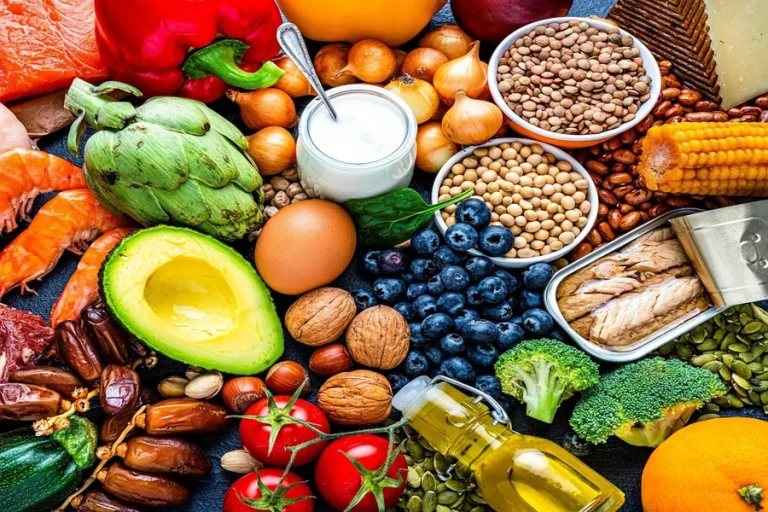
Natural Foods for Daily Nutrition: A Simple Guide
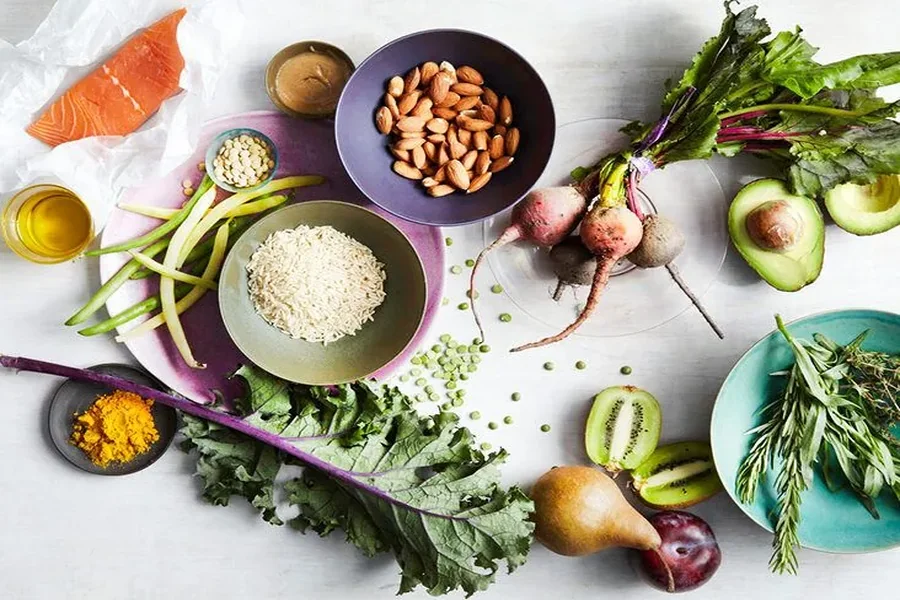
Eating well does not have to involve complicated diets or expensive ingredients. Natural Foods for Daily Nutrition can help provide the essential nutrients your body needs to maintain energy, support normal functions, and promote overall well-being. Fresh fruits, vegetables, whole grains, beans, nuts, seeds, eggs, and other minimally processed foods offer a variety of vitamins, minerals, fiber, protein, and healthy fats. Including different food groups in your everyday meals can make your diet more balanced and enjoyable. By choosing nutritious ingredients and preparing them in simple ways, you can build sustainable eating habits that fit your lifestyle and support your health over time.
1. Fruits and Vegetables for Essential Nutrients
Fruits and vegetables are important parts of a nutritious daily diet because they provide vitamins, minerals, fiber, and beneficial plant compounds. Apples, bananas, oranges, berries, spinach, carrots, and broccoli are examples of versatile options that can be enjoyed in different meals. Eating a variety of colorful produce helps you obtain a broader range of nutrients rather than relying on just one type. Add fruit to breakfast, include vegetables in lunch, or serve a colorful salad with dinner. Fresh, frozen, and suitable canned options can all contribute to a healthy eating pattern. Choose produce that fits your budget, preferences, and local availability to make healthy eating easier to maintain.
2. Whole Grains for Lasting Energy
Whole grains provide carbohydrates that the body uses for energy, along with fiber and several important nutrients. Oats, brown rice, whole-wheat bread, barley, and whole-grain cereals are practical choices for everyday meals. Compared with refined grains, whole grains generally retain more of their natural fiber and nutrients because they contain the bran and germ. A bowl of oatmeal can make a filling breakfast, while brown rice can serve as the base for a vegetable and bean bowl. Whole-wheat bread also works well for sandwiches with eggs, chicken, or hummus. Try replacing some refined grains with whole-grain alternatives gradually, choosing products you enjoy and can easily include in your regular meals.
3. Protein-Rich Foods for Growth and Repair
Protein supports muscle maintenance, tissue repair, and many essential processes throughout the body. A varied diet can supply protein through both animal and plant-based foods. Eggs, fish, poultry, yogurt, lentils, beans, chickpeas, tofu, nuts, and seeds are useful options to consider. Including a protein source in your meals can also make them more satisfying and help you maintain a balanced eating routine. For example, add beans to soup, serve eggs with whole-grain toast, or combine lentils with rice and vegetables. You do not need to depend on one particular source every day. Choosing different protein-rich foods throughout the week can provide variety and help meet your individual nutritional needs.
4. Healthy Fats, Nuts, and Seeds
Healthy fats are an important part of daily nutrition because they provide energy, support cell function, and help the body absorb vitamins A, D, E, and K. Foods such as avocados, walnuts, almonds, chia seeds, flaxseeds, and olive oil can contribute unsaturated fats to a balanced diet. Fatty fish, including salmon and sardines, can also provide omega-3 fatty acids. Add a small serving of nuts to oatmeal, sprinkle seeds over yogurt, or use olive oil in homemade salad dressings. Although these foods offer valuable nutrients, some are energy-dense, so portions should suit your appetite and overall needs. The goal is to include beneficial fats rather than eliminate fat from your diet.
5. Final Thought
Building a nutritious diet begins with simple choices that you can repeat consistently. Natural and minimally processed foods provide a wide range of nutrients, but no single ingredient can meet every nutritional need. Aim to include vegetables, fruits, whole grains, protein-rich foods, healthy fats, and enough water throughout the day. Planning meals in advance, preparing ingredients at home, and choosing seasonal produce can make this approach more convenient and affordable. You can also adapt meals to your culture, preferences, and budget without following strict food rules. Focus on variety, balance, and moderation instead of perfection. Over time, these practical habits can help you develop a healthier relationship with food and support long-term well-being.
FAQs
1. What are natural foods for daily nutrition?
They include foods such as fruits, vegetables, whole grains, beans, nuts, seeds, eggs, and fish that provide essential nutrients as part of a balanced diet.
2. Why are natural foods important for health?
They supply nutrients such as vitamins, minerals, protein, fiber, and healthy fats that support energy, normal body functions, and overall health.
3. Which natural foods should I eat every day?
Try to include a variety of fruits, vegetables, whole grains, and protein sources daily, along with suitable healthy fats and enough water.
4. Are frozen fruits and vegetables nutritious?
Yes, frozen fruits and vegetables can retain many of their nutrients and provide convenient alternatives to fresh produce.
5. How can I add more nutritious foods to my diet?
Start by adding fruit to breakfast, including vegetables with lunch and dinner, choosing whole grains, and incorporating beans, eggs, nuts, or other protein sources into meals.