Healthy Eating Tips for Weight Loss That Last
Losing weight in a healthy way does not require skipping meals, following strict diets, or giving up all your favorite foods. Healthy Eating Tips for Weight Loss focus on building balanced meals, choosing nourishing ingredients, and developing habits that you can maintain over time. The goal is to provide your body with essential nutrients while creating an eating pattern that supports your individual needs. Small changes, such as eating more vegetables, choosing whole grains, and paying attention to hunger signals, can make everyday decisions easier. With realistic expectations and consistent effort, you can work toward a healthier weight without making food stressful or turning meals into a daily struggle.
1. Build Balanced Meals With Whole Foods
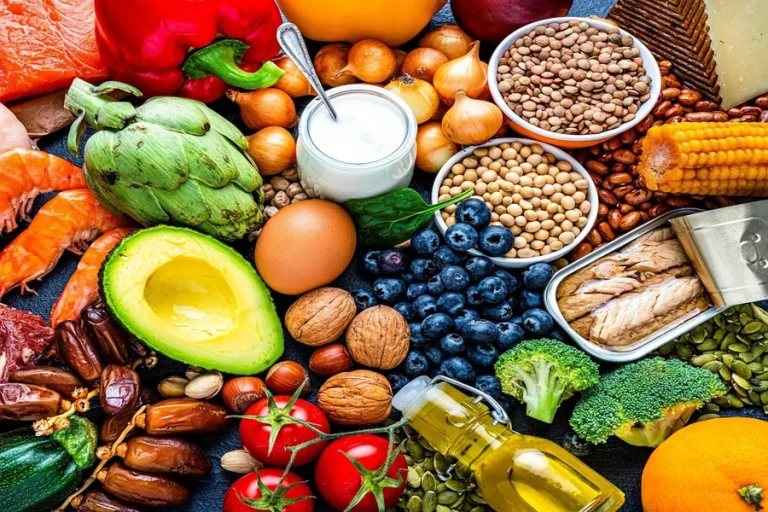
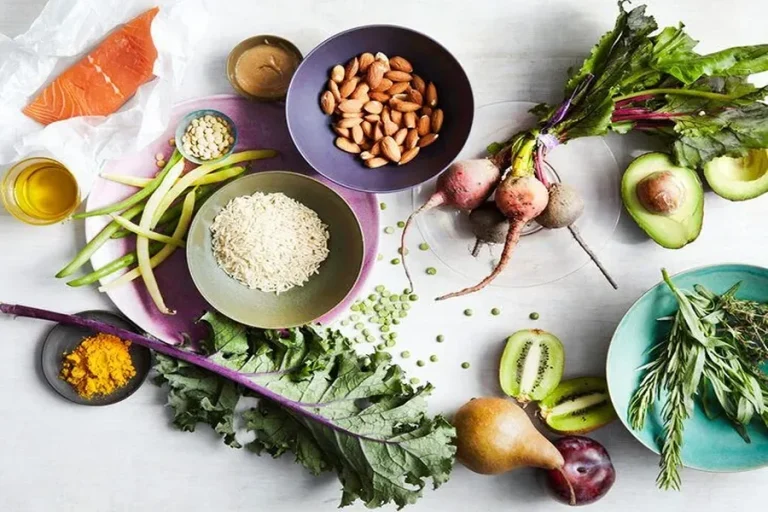
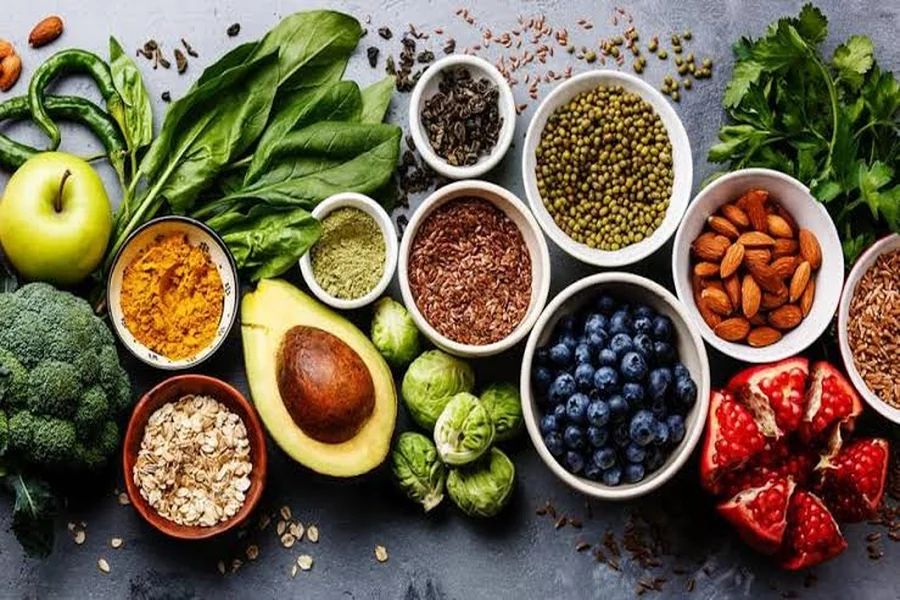
Balanced meals can help you feel satisfied while providing the nutrients your body needs. Include vegetables and fruits for fiber, vitamins, and minerals, along with protein sources such as eggs, fish, chicken, beans, lentils, or tofu. Whole grains, including oats, brown rice, and whole-wheat bread, provide carbohydrates and additional fiber. Small portions of healthy fats from nuts, seeds, or olive oil can make meals more satisfying. One useful approach is to fill about half your plate with vegetables and fruit, one-quarter with protein, and one-quarter with whole grains. Adjust portions to your hunger, activity level, and personal needs instead of following a rigid plan that leaves you feeling deprived.
2. Pay Attention to Portion Sizes
Even nutritious foods can contribute more energy than you need when portions are consistently larger than your appetite requires. Learning to recognize suitable portions can help you develop a healthier relationship with food without counting every calorie. Try serving meals on a plate rather than eating directly from a large package, and pause before taking another serving to check whether you are still hungry. Eating slowly can also give you time to notice fullness. However, portion control should not mean ignoring hunger or eating too little. Your energy needs depend on factors such as age, activity, and health. Aim for satisfying meals that provide enough nourishment to support your daily routine.
3. Choose Healthy Snacks and Drinks
Snacks can fit into a weight-management plan when they help satisfy hunger between meals. Instead of relying mainly on sweets or heavily processed snack foods, try fresh fruit, plain yogurt, boiled eggs, vegetables with hummus, or a small serving of nuts. Combining fiber with protein can make a snack more satisfying. Drinks also matter because sugary beverages may provide substantial energy without making you feel as full as solid food. Choosing water regularly instead of soda or other sweetened drinks can be a simple change. Unsweetened tea and coffee may also fit your preferences. You do not need to ban favorite treats; enjoy them in portions that fit your overall eating pattern.
4. Plan Meals and Maintain Consistent Habits
Planning meals ahead can reduce the temptation to choose whatever is quickest when you feel hungry or tired. Make a shopping list, prepare a few ingredients in advance, and keep convenient foods such as frozen vegetables, canned beans, eggs, and whole grains at home. You can cook extra portions for another meal, making busy weekdays easier to manage. Try to develop a routine that works with your schedule rather than forcing yourself to follow a strict meal timetable. Regular meals may help some people manage hunger and avoid becoming overly hungry later. If your routine changes, adapt your plan instead of treating one unplanned meal as a failure.
5. Final Thought
Sustainable weight management is about more than short-term food restrictions. It involves creating eating habits that support your health, energy, and everyday life. Focus on nutritious foods, satisfying portions, mindful eating, and realistic changes that you can maintain. Physical activity, adequate sleep, stress management, and individual health needs also influence weight and overall well-being. Progress may happen gradually, and occasional setbacks are a normal part of changing habits. Avoid extreme diets or promises of rapid weight loss, as they can be difficult to maintain and may not provide adequate nutrition. If you have a medical condition or need individualized guidance, a registered dietitian or healthcare professional can help you choose an appropriate approach.
FAQs
1. What foods are best for healthy weight loss?
Vegetables, fruits, whole grains, beans, eggs, fish, lean proteins, and suitable portions of nuts can support a balanced eating pattern for weight management.
2. Should I skip meals to lose weight?
Skipping meals is not necessary for weight loss and may leave you overly hungry later, making balanced eating more difficult for some people.
3. Can I eat carbohydrates while losing weight?
Yes, carbohydrates can be part of a healthy eating plan, especially when you choose fiber-rich options such as oats, brown rice, beans, and whole grains.
4. How much water should I drink when trying to lose weight?
Fluid needs vary with activity, climate, and health, so drink water regularly throughout the day and increase intake when conditions or exercise require it.
5. How can I maintain weight loss over time?
Focus on balanced meals, suitable portions, regular physical activity, adequate sleep, and gradual habits that fit your lifestyle rather than relying on restrictive diets.