Office Carpet Maintenance: Keeping High-Traffic Workspaces Looking Presentable
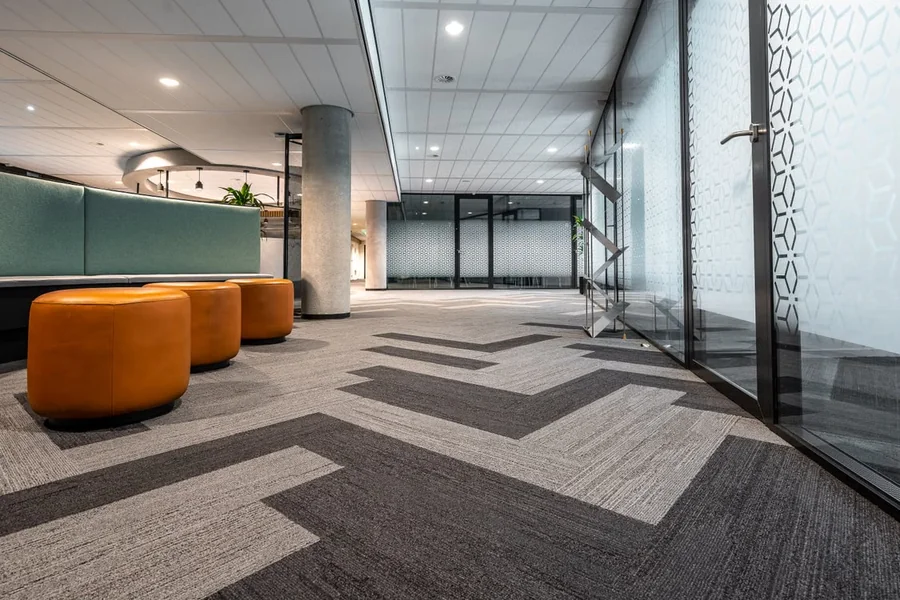
Office carpets deal with considerably more activity than carpets in many homes. Employees walk across them throughout the day, visitors enter from outside, furniture is moved around, and food or drinks occasionally spill in shared areas. Book your office carpet cleaning services with ESP Cleaning Singapore to help maintain a cleaner, fresher and more professional working environment for employees and visitors alike. Over time, this combination of foot traffic and everyday use affects both the appearance and condition of the carpet.
Regular cleaning is therefore an important part of office maintenance. Vacuuming removes loose dirt, but it does not deal with everything that becomes trapped within carpet fibres. Dust, soil, food particles, moisture and stains can gradually build up if deeper cleaning is overlooked.
Why Office Carpets Need Regular Attention
Carpets act as a surface where dirt from shoes and surrounding areas accumulates. In a busy office, this process happens repeatedly throughout the working week.
Entrance areas tend to experience the highest traffic because people enter and leave throughout the day. Corridors, reception areas, meeting rooms and shared spaces can also develop visible wear because they receive frequent use.
Regular vacuuming helps remove loose particles before they become embedded deeper into the carpet. Without consistent cleaning, dirt can work further into the fibres and become harder to remove.
The frequency of cleaning should reflect how the space is used rather than following one fixed schedule for every office.
Vacuuming Is Only the First Step
Routine vacuuming remains one of the most important parts of carpet maintenance. It removes loose dust, dirt and debris before they become more deeply embedded.
The equipment and technique matter as well. A suitable commercial vacuum should be used correctly, with attention given to edges, corners and areas beneath accessible furniture.
High-traffic zones often need more frequent vacuuming than areas used less often. Entrance mats can also help reduce the amount of outdoor dirt brought into the building.
Even with good vacuuming, though, some material remains within the carpet. This is where deeper cleaning becomes useful.
Dealing with High-Traffic Areas
Not every part of an office carpet becomes dirty at the same rate.
The area around a main entrance might show darkened or flattened fibres long before a rarely used meeting room does. Corridors and walkways can also develop visible traffic patterns.
A practical maintenance programme should therefore pay attention to these differences. High-use areas might need more frequent cleaning, while lower-traffic sections can follow a different schedule.
This approach helps prevent a situation where the entire office carpet is left until it becomes visibly dirty before any deeper cleaning takes place.
Why Professional Carpet Cleaning Helps
Professional cleaning services use equipment and cleaning methods designed for larger carpeted areas. Depending on the carpet and service, methods can include hot water extraction, low-moisture cleaning or other specialised approaches.
The appropriate method depends on the carpet material, construction and condition. Using excessive moisture on a carpet that is unsuitable for it can create problems, so cleaning should follow the carpet manufacturer’s guidance where available.
Handling Office Carpet Stains
Spills are common in workplaces, particularly around pantry areas, desks and meeting rooms.
Coffee, tea, soft drinks and food can leave visible marks if they are allowed to remain in the carpet. The longer a spill sits, the more difficult it might be to remove, particularly if it dries into the fibres.
Prompt action helps. The appropriate response depends on the substance involved and the carpet itself. Aggressive scrubbing can sometimes spread a stain or damage the fibres, so the manufacturer’s cleaning guidance should be considered.
For larger or persistent stains, professional treatment might be more appropriate than repeated attempts with general-purpose cleaning products.
Carpet Cleaning and Office Appearance
The condition of the carpet contributes to the overall appearance of a workplace.
Visitors might notice worn or heavily soiled flooring when entering a reception area, while employees encounter the carpet every working day. A carpet that is regularly maintained generally looks more consistent than one that receives attention only after visible dirt becomes a problem.
This does not mean an office carpet needs to look brand new indefinitely. Normal wear is expected, particularly in high-traffic areas. Regular cleaning is about maintaining the condition of the flooring rather than eliminating every sign of use.
Consider Cleaning Around Office Furniture
Office furniture can make carpet cleaning more complicated.
Desks, chairs, cabinets and meeting-room furniture can restrict access to sections of the floor. Dirt might accumulate around chair bases and beneath furniture that is rarely moved.
Before a professional cleaning visit, it is useful to establish whether furniture needs to be moved. Some providers include limited furniture movement as part of the service, while others expect the area to be prepared beforehand.
Planning this helps the cleaning team work more efficiently and reduces disruption to office operations.
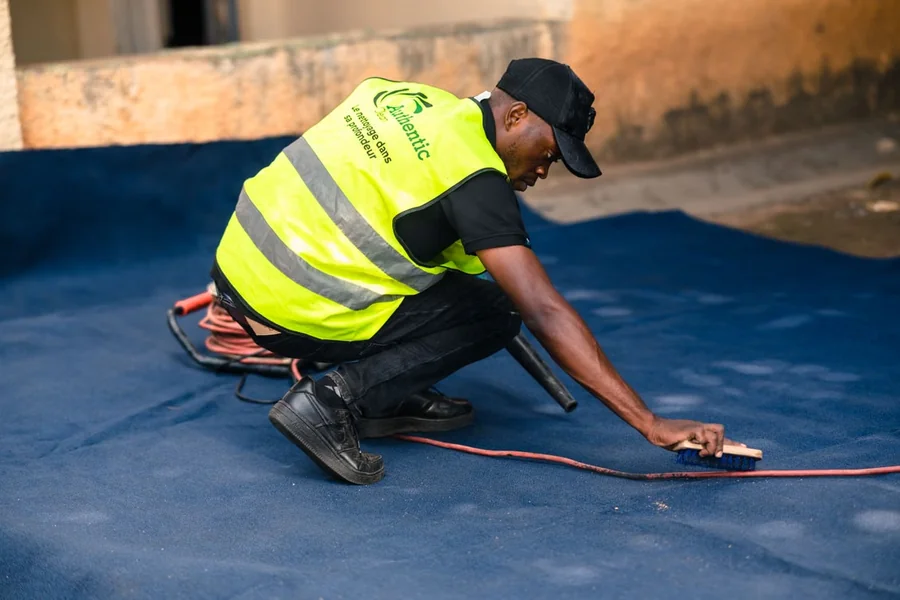
Drying Time Matters
One consideration when arranging professional carpet cleaning is how long the carpet needs to dry.
Different cleaning methods have different moisture requirements. A traditional wet-cleaning process might require more drying time than a low-moisture approach.
This matters in offices because employees still need access to workstations, meeting rooms and walkways.
Scheduling cleaning outside normal working hours can reduce disruption, although the appropriate timing depends on the method used and the size of the office.
Good ventilation can also support drying, provided the carpet and cleaning system are handled according to the relevant instructions.
Choose Cleaning Frequency Based on Use
There is no universal cleaning schedule suitable for every office.
A small office with limited daily foot traffic might require less frequent professional cleaning than a large workplace with hundreds of employees and regular visitors.
Other factors include the type of business, the amount of food consumed on-site, entrance traffic and whether the premises are located in an area where outdoor dirt is easily tracked indoors.
Instead of choosing a frequency based purely on a calendar, assess how quickly the carpet becomes visibly soiled and where the most heavily used areas are located.
Protecting Carpet Between Professional Visits
Professional cleaning works best when combined with everyday maintenance.
Entrance mats can capture some dirt before it reaches the carpet. Employees should also be encouraged to deal with spills promptly rather than leaving them until the next scheduled cleaning session.
Regular vacuuming is particularly important in high-traffic areas. Pantry spaces and other locations where food and drinks are consumed deserve additional attention because spills are more likely to occur there.
Moving furniture occasionally can also help prevent uneven wear, although this needs to be coordinated with the office layout.
Final Thoughts
Office carpets experience continuous use, particularly around entrances, corridors and shared areas. Without regular maintenance, dirt and stains gradually become more noticeable, and the carpet can develop uneven patterns of wear.
Routine vacuuming, prompt spill treatment and periodic professional cleaning work together to keep carpeted workspaces presentable. The right cleaning schedule depends on how the office is used, while the cleaning method should suit the carpet itself.