
Rhythms of the World: Traditional Dances Today
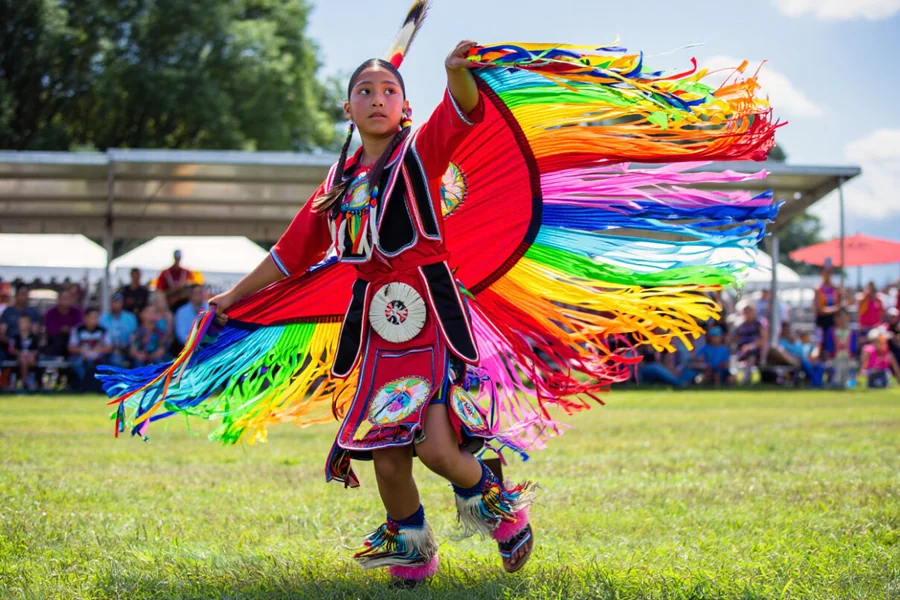
Humanity has always communicated through movement. From the earliest communal gatherings around ancient fires to modern theatrical stages illuminated by brilliant artificial lights, kinetic expression remains a universal language that transcends borders, politics, and spoken dialects. As we look at the vast, intricate tapestry of global cultures, we find that the essence of our shared human history is beautifully and vividly captured in physical form. Engaging with Rhythms of the World: Exploring Traditional Dance in Contemporary Times reveals how these ancient practices are not static relics of the past but living, breathing entities. They adapt, shift, and continue to resonate deeply within our modern, everyday lives. The fast-paced digital era might seem entirely disconnected from the earthy, grounded steps of ancestral folklore, yet the hunger for authentic connection repeatedly brings people back to these foundational beats. Heritage styles ranging from the vibrant, passionate flamenco of Spain to the highly intricate and spiritual classical Bharatanatyam of India tell enduring stories of survival, joy, harvest, and spiritual devotion. By examining how these physical arts function today, we gain profound insights into the resilience of cultural identity. This ongoing evolution highlights a delicate, essential balance between honoring deep ancestral roots and embracing the inevitable cultural shifts brought about by unprecedented global connectivity. Our modern stages, community centers, and digital platforms are now vibrant arenas where long-standing history meets present-day innovation. The human body becomes a canvas for historical memory, proving that while times change rapidly, our fundamental need to express our identity through rhythm remains a powerful, unyielding force in society.
The Cultural Significance of Heritage Movement
The foundational importance of ancestral choreography simply cannot be overstated in our understanding of human civilization. For countless generations, physical expression served as the primary, and often the only, method for storytelling, recording critical historical events, and passing down vital societal values before written language became widely accessible or universally understood. Every deliberate gesture, forceful foot strike, and precise hand position carries a specific, codified meaning, weaving a rich, textured narrative tapestry that binds communities together across generations. In many indigenous cultures around the globe, these performances are deeply intertwined with spiritual rituals, seasonal shifts, and vital agricultural cycles, acting as a physical prayer directed to the earth or the heavens above. The rhythmic stamping of feet in various African tribal ceremonies, for instance, is far more than mere rhythmic entertainment; it is a vital communal heartbeat that actively unifies the participants and invokes the protective presence of ancestral spirits. Similarly, the mesmerizing, flowing Hula of Hawaii was originally an entirely sacred practice meticulously designed to honor ancient deities and painstakingly preserve the complex genealogy of the Polynesian people. When we take the time to observe these heritage movements today, we are essentially witnessing a living, breathing archive of human experience. Today, the active preservation of these art forms acts as a crucial, grounding anchor for marginalized, diasporic, or displaced communities across the globe. It provides a highly tangible, deeply emotional link to a homeland or a cultural past that might otherwise be systematically erased by the homogenizing forces of modernization and corporate globalization. Engaging with these ancestral beats fosters a profound, enduring sense of belonging and fierce pride among younger generations who might otherwise feel unmoored or disconnected from their familial heritage. Furthermore, these vivid expressions foster immense cross-cultural empathy. When international audiences from wildly diverse backgrounds witness the undeniable passion, rigorous discipline, and breathtaking precision of a well-executed folklore performance, they are graciously invited into a shared, sacred emotional space. This shared artistic experience actively breaks down long-standing prejudices and builds permanent bridges of understanding. It proves time and again that while our spoken languages and political ideologies may differ wildly, our fundamental capacity to feel pure joy, profound sorrow, and deep reverence through bodily motion is entirely universal. The significance of these practices, therefore, lies not merely in their breathtaking aesthetic beauty, but in their incredibly powerful, unmatched ability to sustain genuine human connection across the unforgiving passage of time.
Modern Influences on Ancient Steps
As the global landscape becomes increasingly interconnected through travel and technology, heritage choreography inevitably encounters a myriad of new influences, resulting in fascinating, dynamic hybrid forms that consistently challenge traditional artistic boundaries. The seamless fusion of the old and the new is a completely natural, perhaps inevitable, progression for any living art form that refuses to stagnate. Unprecedented urbanization, mass global migration, and the explosive advent of digital media have brought wildly disparate artistic communities into close, constant contact, sparking a vibrant creative dialogue that fundamentally reshapes how we understand classical and folk movement. Contemporary choreographers frequently draw profound inspiration from their specific ancestral roots, boldly blending them with modern, widely recognized techniques like classical ballet, contemporary jazz, or urban hip-hop to create entirely new, deeply expressive vocabularies. This artistic hybridization allows creators to tell highly relevant modern stories while still paying deep, respectful homage to their cultural foundations. For example, the seamless incorporation of hard-hitting street styles into classical Indian forms has birthed a highly dynamic, immensely popular genre that appeals directly to younger, highly globalized audiences without entirely sacrificing the intricate footwork and highly expressive facial gestures of the original, historic style. Similarly, traditional Irish step performances have been heavily theatricalized and brilliantly merged with modern, dramatic staging, elaborate lighting design, and complex syncopated rhythms to create massive global phenomena that easily fill enormous arenas worldwide. Technology also plays a massive, undeniable role in this ongoing evolution. Social media platforms enable talented dancers from remote, historically isolated villages to share their unique, breathtaking styles with a massive global audience in a matter of seconds. This unprecedented exposure not only provides incredible new opportunities for international collaboration but also drastically influences the sheer speed at which styles evolve. A specific, highly stylized groove from a West African village can go viral overnight, instantly inspiring top-tier choreographers in bustling metropolises like New York, Tokyo, and London. However, this rapid, unrestricted exchange of ideas is certainly not without its severe challenges. The rampant commercialization of sacred or historically significant movements for quick pop culture consumption often strips them entirely of their original, profound context and spiritual meaning. This stark reality necessitates a careful, deeply respectful approach by modern practitioners and enthusiastic audiences alike. True, lasting innovation in this sensitive space requires a deep, uncompromising understanding of the source material. When executed correctly and respectfully, modern influences do not dilute or destroy the ancient steps; rather, they ensure their continued survival by making them vibrant and relevant to new, younger generations who must navigate a highly complex, beautifully multicultural world.
Preserving Authenticity in a Globalized Era
The incredibly rapid spread of cultural elements across the globe raises absolutely critical, highly sensitive questions about artistic authenticity, cultural appropriation, and long-term preservation. As beautiful heritage movements are enthusiastically adopted and freely adapted by those far outside their originating communities, the looming risk of cheap commodification becomes a highly pressing, daily concern for traditionalists. Maintaining the pure integrity of these ancient arts in a highly commercialized, profit-driven landscape requires immense intentional effort from dedicated practitioners, historical educators, and mindful audiences alike. Authenticity in this specific context does not necessarily mean rigidly freezing a style in a specific, unreachable historical moment or stubbornly refusing to let it breathe. Instead, it involves deeply respecting the historical lineage, honoring the fundamental, foundational techniques, and fully acknowledging the specific cultural context from which the beautiful art originated. Organizations and cultural institutions worldwide are currently dedicating immense financial resources and countless hours to meticulously archiving and passionately teaching traditional forms in their most culturally pure states. Master teachers, often respectfully referred to as essential culture bearers, play an absolutely indispensable, foundational role in this ongoing preservation effort. By painstakingly passing down their vast knowledge through highly rigorous, multi-year apprenticeships and highly accessible community workshops, they ensure that the deeply nuanced techniques and the rich underlying philosophies of the movements are not tragically lost to the powerful allure of quick, viral internet fame. Furthermore, the massive rise of cultural heritage festivals and highly dedicated folklore competitions provides essential, highly respected platforms for authentic, uncompromised representation. These vital events explicitly prioritize deep historical accuracy and profound cultural understanding over mere superficial visual spectacle. They offer highly protected spaces where communities can proudly celebrate their unique, deeply rooted identities without the heavy, often crushing pressure to conform to mainstream, highly westernized entertainment standards. For the enthusiastic global audience, actively supporting authenticity means intentionally seeking out and financially uplifting performers who possess a genuine, documented connection to the highly specific art they are beautifully presenting on stage. It involves approaching these cultural performances with a humble willingness to learn and understand, rather than possessing just a fleeting, selfish desire to be passively entertained for an hour. Comprehensive education is absolutely paramount in this ongoing battle for preservation. When modern audiences fully understand the complex history and deep significance behind a specific routine, they are vastly less likely to financially support exploitative, highly diluted, or wildly inaccurate versions of it. Ultimately, preserving these rich, irreplaceable traditions is a massive collaborative responsibility that falls on all of our shoulders. By intentionally fostering environments that actively value respectful exchange and deep cultural literacy, we can guarantee that the beautiful ancestral beats continue to thrive indefinitely, providing a vital, unshakable link to our shared, complex human history amidst the sweeping, often turbulent tides of modern globalization.
Final Thought
The enduring, undeniable power of physical storytelling lies squarely in its incredible, unmatched ability to seamlessly bridge the seemingly massive gap between our ancient ancestors and our current present reality. As we collectively navigate a modern era deeply defined by incredibly rapid technological advancement and constantly shifting social landscapes, the highly grounded, deeply rhythmic expressions of our diverse heritage offer a highly necessary, incredibly comforting sanctuary. They serve to actively remind us of the beautiful, shared humanity that pulses strongly beneath our incredibly diverse, worldwide cultures. Embracing these breathtaking ancient art forms today is certainly not about passively looking backward with mere sentimental nostalgia; rather, it is about actively carrying the profound, hard-earned wisdom of the past confidently into the unknown future. By intentionally supporting highly authentic practitioners, strongly encouraging deeply respectful artistic innovation, and actively educating ourselves on the rich, complex histories embedded directly in these breathtaking movements, we actively participate in keeping these vital traditions brilliantly alive. The physical rhythms of our incredible world will absolutely continue to evolve, beautifully adapting to new, eager generations and highly advanced new stages, thereby ensuring that the human spirit’s fundamental need to express itself remains beautifully, powerfully, and undeniably unextinguished for centuries to come.
FAQs
What is the main purpose of traditional dance in modern society? The main purpose of these historical movements is to actively preserve rich cultural heritage, powerfully foster strong community identity, and securely provide a living, breathing link to profound historical traditions and vital ancestral storytelling in an increasingly fast-paced, highly globalized world.
How has rapid globalization directly affected ancient movement styles? Globalization has rapidly introduced a wide array of new artistic influences that directly lead to beautiful creative hybridization, while simultaneously raising critical, highly sensitive challenges regarding harmful cultural appropriation and the highly unfortunate potential dilution of authentic, historically accurate practices.
Can beautiful heritage choreography truly evolve without losing its core authenticity? Yes, it can absolutely evolve gracefully when modern, highly innovative artists deeply understand, honor, and profoundly respect the foundational core techniques and the deep cultural context of the original, historic art form while carefully introducing new contemporary elements.
Why is it so incredibly important to financially and socially support authentic culture bearers? Supporting highly trained, authentic culture bearers actively ensures that the deeply nuanced historical techniques, profound spiritual meanings, and rich historical contexts of these heritage movements are accurately, passionately, and securely passed down to eager future generations without being lost to commercialization.
What specific role does modern technology actually play in the ongoing survival of cultural performances? Modern technology actively provides massive, unprecedented global platforms for highly remote, historically isolated communities to proudly share their breathtaking art, enabling incredible cross-cultural collaboration and simultaneously helping to permanently archive intricate movements that might otherwise tragically fade away into obscurity.
