
Improving Student Academic Performance Through Better Habits
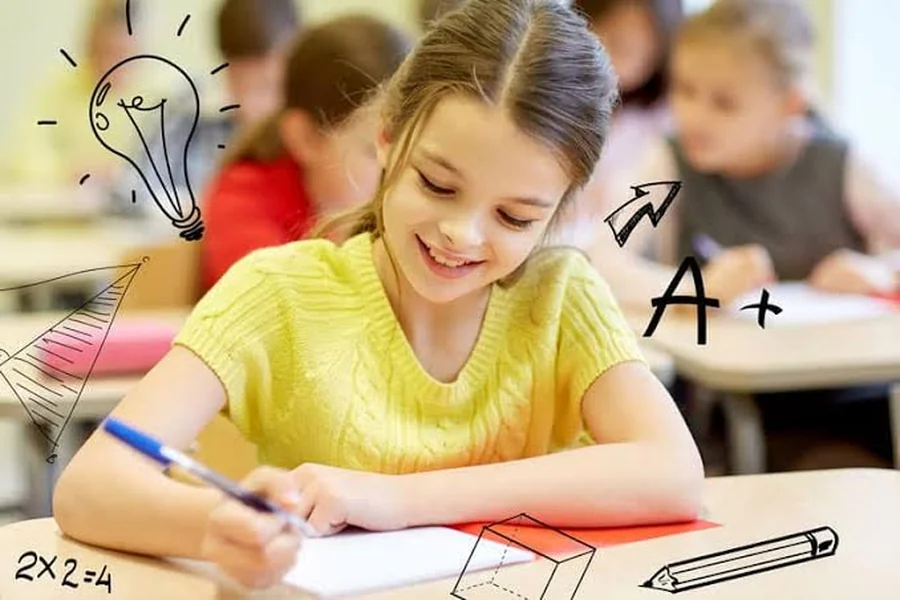
Academic success is an important goal for students, parents, and teachers. However, achieving good results requires more than spending long hours with textbooks or memorizing information before examinations. Improving Student Academic Performance involves developing effective learning habits, maintaining motivation, managing time wisely, and creating an environment that supports personal growth. Every student has different abilities, challenges, and learning preferences, so there is no single strategy that works for everyone. Some students need help with concentration, while others may struggle with time management or understanding difficult subjects. By identifying these challenges and applying practical solutions, students can gradually improve their academic results. Consistent effort, proper guidance, and a positive attitude can make learning more productive and rewarding.
1. Develop Effective Study Habits and Daily Routines
Strong study habits provide a foundation for consistent academic progress. Students should create a daily routine that includes dedicated study periods, revision sessions, homework, and sufficient rest. Instead of studying randomly, they can set specific goals for each session, such as completing a chapter or solving a group of practice questions. Breaking large assignments into smaller tasks makes them easier to manage and reduces unnecessary pressure. Studying at a consistent time each day can also help build discipline. Students should regularly review their notes rather than waiting until examinations approach. Over time, these simple habits can improve understanding, confidence, and academic performance.
2. Improve Time Management and Set Clear Goals
Time management allows students to balance academic responsibilities with personal activities. Without a clear plan, learners may spend too much time on less important tasks and struggle to complete assignments before deadlines. Using a weekly timetable, calendar, or digital planner can help organize lessons, homework, examinations, and revision periods. Students should prioritize difficult or urgent tasks while keeping realistic expectations about how much they can accomplish. Setting short-term goals also makes progress easier to measure. For example, completing two lessons each evening is more practical than setting a vague target to study harder. Good planning reduces stress and encourages responsibility.
3. Create a Positive and Supportive Learning Environment
A student’s surroundings can have a major influence on concentration and motivation. A clean, comfortable, and organized study space helps reduce distractions and makes it easier to focus on academic tasks. Students should keep essential materials such as textbooks, notebooks, pens, and learning resources within reach. Limiting mobile phone use and unnecessary social media activities can also protect valuable study time. Beyond the physical environment, emotional support is equally important. Parents and teachers should encourage questions, recognize effort, and avoid creating unnecessary pressure. When students feel comfortable asking for help, they are more likely to participate actively and overcome learning difficulties.
4. Use Active Learning and Regular Revision Techniques
Active learning encourages students to understand information instead of simply memorizing it. Techniques such as summarizing lessons, creating flashcards, drawing mind maps, and answering practice questions can make learning more effective. Students can also explain difficult concepts in their own words or teach them to a friend to check their understanding. Regular revision is equally important because reviewing information at different intervals helps strengthen long-term memory. Practice tests and previous examination questions can reveal knowledge gaps and improve confidence. Rather than repeating the same reading process, learners should experiment with different methods and choose the techniques that best match their subjects and learning preferences.
5. Maintain Physical Health and Mental Well-Being
Academic performance is closely connected to physical and mental well-being. Students who regularly experience fatigue, stress, or poor sleep may find it difficult to concentrate and remember information. Getting sufficient sleep helps the brain process and retain what has been learned. Balanced meals, adequate water, and regular physical activity can also support energy levels and general health. Students should take short breaks during long study sessions instead of forcing themselves to work continuously. Relaxing through hobbies, spending time outdoors, or talking with supportive people can help manage academic pressure. A healthy lifestyle makes it easier to maintain focus and consistent learning habits.
6. Build Motivation Through Feedback and Continuous Improvement
Motivation helps students remain committed to their educational goals, especially when subjects become challenging. One effective approach is to focus on gradual improvement instead of comparing results with classmates. Teachers can provide constructive feedback that explains what students are doing well and which areas need attention. Parents can support progress by recognizing effort, encouraging curiosity, and helping children develop realistic expectations. Students should also review their mistakes and treat them as opportunities to learn rather than reasons to give up. Educational information and useful perspectives from platforms such as replycorner can provide additional reading opportunities. Celebrating small achievements can strengthen confidence and encourage continued effort.
Final Thought
Improving academic performance is a gradual process that requires patience, consistency, and the right support. Students can make meaningful progress by developing effective study habits, managing their time, creating positive learning environments, and maintaining their health. Active learning and regular revision help strengthen understanding, while constructive feedback encourages continuous improvement. Parents and teachers also play important roles by providing guidance and recognizing individual needs. Most importantly, students should understand that academic success is not determined by one examination or a single result. Every small step toward better learning matters. With realistic goals and consistent effort, students can build confidence, overcome challenges, and achieve their educational potential.
FAQs
- What is the best way to improve student academic performance?
The best approach is to develop consistent study habits, manage time effectively, revise lessons regularly, and ask for help when necessary. Students should also maintain a healthy lifestyle and set realistic academic goals that encourage steady progress.
- How can students improve their concentration while studying?
Students can improve concentration by choosing a quiet study space, keeping mobile phones away, setting specific goals, and taking short breaks. Getting enough sleep and avoiding unnecessary distractions can also make study sessions more productive.
- Why is time management important for academic success?
Time management helps students organize assignments, prepare for examinations, and balance different responsibilities. It reduces last-minute pressure and allows learners to spend sufficient time on challenging subjects while maintaining a healthy daily routine.
- How does sleep affect academic performance?
Sleep supports memory, attention, and learning. Students who get sufficient rest are generally better prepared to concentrate, understand new information, and recall previously learned material. Poor sleep can make studying more difficult and increase fatigue.
- What study techniques help students remember information?
Active recall, spaced repetition, flashcards, mind maps, and regular practice tests can improve memory. Explaining concepts in their own words also helps students understand information more deeply and identify areas that require additional revision.
- How can parents help improve their children’s academic performance?
Parents can support academic development by providing a comfortable study environment, encouraging regular routines, communicating with teachers, and recognizing their children’s efforts. Offering emotional support without creating excessive pressure can also improve motivation.
- What should students do when they receive poor examination results?
Students should review their mistakes, identify weak subjects, and understand which study methods need improvement. Asking teachers for feedback and creating a realistic revision plan can help them address difficulties and perform better in future examinations.
- Does physical exercise improve academic performance?
Regular physical activity supports general health, energy, and mental well-being. Exercise can also help students manage stress and maintain concentration, making it a useful part of a balanced academic routine.
- How can teachers motivate students to perform better?
Teachers can motivate students by setting clear expectations, providing constructive feedback, using engaging teaching methods, and recognizing individual progress. Creating a supportive classroom where students feel comfortable asking questions also encourages participation.
- How long does it take to improve academic performance?
The time required depends on a student’s current learning habits, academic challenges, and consistency. Some improvements in organization and concentration may appear quickly, while stronger understanding and better examination results often require several weeks or months of regular effort.