How Influencers Can Make Their Video Content Ready for Every Platform
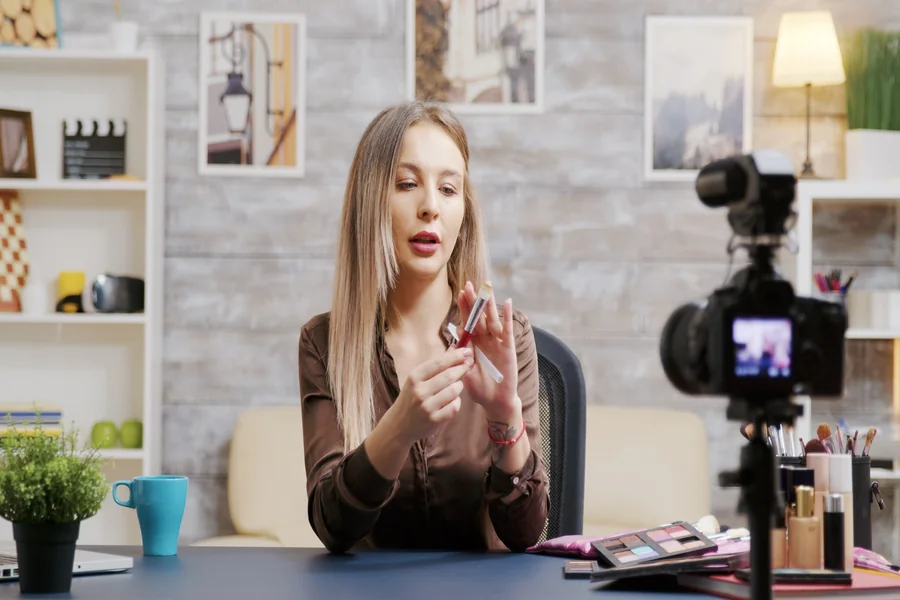
Video has become an essential part of how influencers, fashion creators, and digital personalities connect with their audiences. From behind-the-scenes footage and styling tutorials to product showcases and daily lifestyle updates, video helps creators share their personalities in ways that static images often cannot. But creating engaging footage is only one part of the process. Making sure videos are compatible with different platforms is equally important.
Why Video Format Matters for Creators
Creators frequently record footage on smartphones, cameras, and other devices. These devices may save videos in different file formats, which can sometimes cause compatibility issues when uploading, editing, or sharing content.
A video that plays perfectly on one device might not work as expected in another editing application. It may also be difficult to transfer, upload, or reuse across multiple platforms. Choosing a widely supported format can make the content creation process smoother and reduce unnecessary technical steps.
MP4 is a popular choice because it is widely supported by modern devices, video editing applications, websites, and social media platforms. Keeping footage in a compatible format can help creators manage their content more efficiently.
Simplifying Video Preparation Before Publishing
Influencers often work with tight schedules, especially when preparing content around fashion launches, events, collaborations, or trending topics. Spending too much time troubleshooting file formats can interrupt the creative process.
A practical solution is to use an online MP4 converter when a video needs to be converted into a compatible format. Browser-based conversion tools can make it easier to prepare footage without installing additional desktop software, depending on the tool and file requirements.
Before converting a video, creators should check the original file format, the requirements of their intended platform, and whether the footage needs further editing. They should also keep an original copy of important recordings in case they need to make changes later.
Getting Videos Ready for Social Media
Different social platforms have different recommendations for video dimensions, duration, and presentation. A vertical clip created for short-form content may need a different layout from a landscape video intended for a website or longer-form channel.
Creators can make this process easier by planning their footage around the final destination. For example, recording with enough space around the main subject can help when cropping a video for different screen sizes. Keeping important text and visual details away from the edges can also prevent them from being cut off.
File format is only one part of the preparation process. Resolution, aspect ratio, file size, and audio quality can all affect the final result. After converting or editing a clip, it is worth watching the finished video before publishing to make sure the visuals and sound remain consistent.
Repurposing Content Without Losing Quality
One recording can often provide material for several pieces of content. A fashion creator might turn a full outfit video into shorter styling clips, while an influencer attending an event could share a highlights video, behind-the-scenes moments, and a recap.
Repurposing content can save time and help creators maintain a consistent publishing schedule. However, each version should be prepared for its intended platform rather than simply uploading the same file everywhere. Captions, framing, pacing, and video dimensions may need adjustments to suit different audiences.
It is also important to avoid repeated conversions when they are unnecessary. Depending on the settings used, converting a compressed video multiple times can reduce image quality. Whenever possible, creators should work from the highest-quality original footage available and review the final export before sharing it.
Protecting the Creative Work Behind Every Video
Videos often contain more than the main subject. Background details, unreleased products, private conversations, and other sensitive information can appear unintentionally. Creators should review their footage before publishing and make sure they have permission to use any music, images, or third-party material included in the final edit.
File management matters, too. Organizing original recordings, edited versions, and published exports into clearly named folders can make it easier to locate footage for future projects. Backing up important files helps protect work that may be difficult or impossible to recreate.
Making Video Publishing Part of a Sustainable Routine
Successful content creation involves a combination of creativity, planning, and practical preparation. Choosing compatible file formats, checking platform requirements, organizing footage, and reviewing exports can all help influencers spend less time dealing with technical issues?
With a reliable workflow, creators can focus more energy on storytelling, personal style, and building meaningful connections with their audiences. Whether producing fashion inspiration, lifestyle updates, or event highlights, preparing video files properly helps make the journey from recording to publishing more straightforward.