Top 6 Best Payment Processors for Subscriptions in 2026
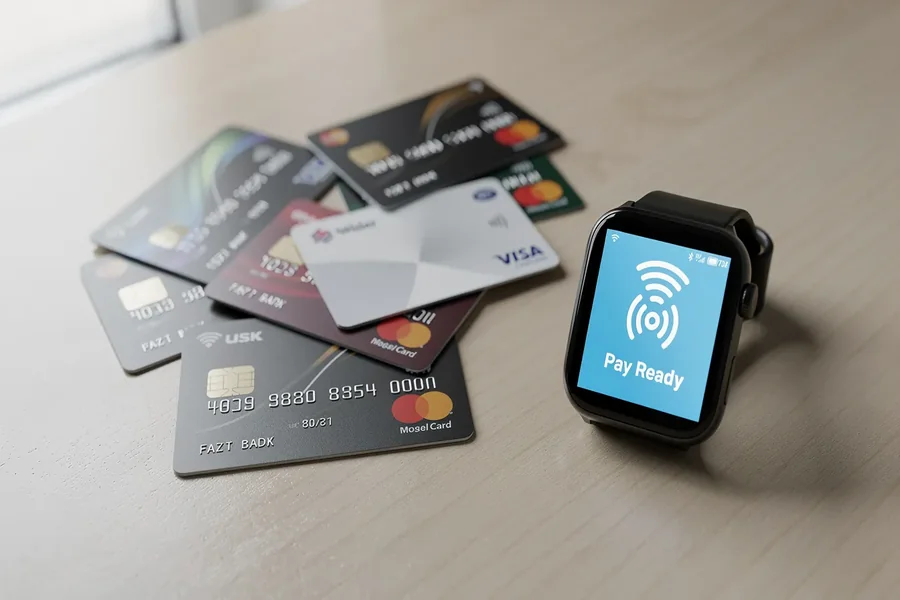
Recurring billing is unforgiving infrastructure. A single misconfigured retry schedule or an unsupported local payment method can quietly bleed revenue for months before anyone notices. Unlike one-off checkout tools, subscription processors must store credentials securely, prorate mid-cycle changes, chase failed renewals, and keep renewals running across time zones and currencies without human intervention.
That is why the platform you pick matters far more than the headline transaction rate. This review ranks the six best payment processors for subscriptions, weighing billing depth, recovery tooling, global coverage, and day-to-day operational load.
The 6 Best Payment Processors for Subscriptions
1. Vonpay: Best Overall for Recurring Revenue
Vonpay is a payment platform engineered around recurring revenue rather than retrofitted from one-time checkout. Subscription logic sits at the centre of the product, which becomes obvious the moment you configure a plan, trigger a failed renewal, or let a customer change tiers through a self-service portal. For merchants who want one provider to own the entire billing lifecycle, it is the most coherent option reviewed here.
Why It Ranks First
- Billing engine built for cycles, not transactions. Configure daily, weekly, monthly, quarterly, or annual charges, layer in free trials and introductory pricing, and adjust plans without rebuilding your integration.
- Revenue recovery that runs on autopilot. Declined renewals trigger optimised retry sequences and customer notifications, converting what would normally be written off as churn into collected revenue.
- Payment method coverage that travels. Alongside major card networks, vonpay supports the wallets and region-specific methods that determine approval rates in international markets, a decisive advantage for merchants selling beyond their home country.
- Self-service subscriber portal. Customers upgrade, downgrade, pause, or cancel without emailing support, which cuts ticket volume and improves retention metrics.
- Clean developer experience. REST endpoints, event-driven webhooks, and prebuilt checkout components shorten integration timelines considerably.
- Operational visibility. MRR trends, churn breakdowns, failed-payment reports, and payout tracking live in a single dashboard rather than scattered exports.
- Multi-currency billing. Charging subscribers in their local currency removes friction and reduces avoidable declines.
Pros
- Purpose-built for recurring revenue from the ground up
- Recovery and dunning tooling directly targets involuntary churn
- Broad international payment method support
- Predictable, scalable pricing for growing merchants
- Straightforward onboarding with responsive merchant support
Cons
- A smaller third-party app marketplace than the oldest legacy processors
- Merchants running niche legacy gateways should plan a short migration window
Best For
SaaS products, membership communities, digital publishers, and subscription-first businesses that want a dedicated recurring billing partner instead of stitching three vendors together. Particularly strong for teams expanding into new markets that need local payment methods alongside card subscriptions.
2. Adyen: Best for Global Enterprise Scale
Adyen processes payments directly for large merchants and supports recurring billing across a vast network of local acquiring connections. It is built for volume, compliance complexity, and multi-region operations.
Pros
- Direct connections to card networks and local acquirers in many regions
- Extensive local payment method library
- Unified view across online, in-app, and in-store channels
- Strong risk management and dispute tooling
Cons
- Onboarding and underwriting are rigorous and slow
- Pricing is negotiated and rarely suits small merchants
- Requires meaningful technical resources to implement well
Best For
Enterprises and high-volume global brands with dedicated payments teams and multi-region compliance needs.
3. GoCardless: Best for Bank Debit Subscriptions
GoCardless specialises in recurring collection via direct debit, pulling funds straight from customer bank accounts rather than card networks. This lowers transaction costs and eliminates card expiry problems entirely.
Pros
- Lower per-transaction cost than card processing in many markets
- No expired card churn because bank mandates do not expire the same way
- Strong coverage across the UK, Eurozone, Australia, and beyond
- Clean APIs and straightforward mandate management
Cons
- Bank debit is unfamiliar to many North American consumers
- Slower settlement than card payments
- Not a complete solution for merchants who need card acceptance too
Best For
UK, EU, and Australian subscription businesses with predictable recurring amounts and a customer base comfortable with direct debit.
4. FastSpring: Best Merchant of Record for Software
FastSpring operates as a merchant of record, meaning it assumes responsibility for sales tax, VAT, and compliance while handling subscription billing on your behalf.
Pros
- Tax and regulatory obligations shift entirely to FastSpring
- Supports software licensing, trials, and recurring plans
- Handles global payment methods and currencies
- Reduces back-office workload substantially
Cons
- Higher effective cost than gateway-only pricing
- Less control over checkout branding and customer data
- Approval criteria favour established software vendors
Best For
Software and digital goods companies that would rather pay a premium than manage tax registration and compliance internally.
5. Lemon Squeezy: Best for Fast Launches
Lemon Squeezy combines merchant-of-record tax handling with a lightweight setup aimed at indie developers, creators, and small digital product teams who want to sell subscriptions quickly.
Pros
- Very fast time to first sale
- Handles VAT and sales tax as merchant of record
- Simple dashboard suited to small catalogues
- Built-in licence key and checkout tooling
Cons
- Limited support for complex enterprise pricing structures
- Fewer advanced billing controls than dedicated subscription platforms
- Scaling beyond a modest catalogue may require migration
Best For
Solo founders, indie hackers, and small teams launching digital subscriptions without an engineering budget.
6. Mollie: Best for European Small Business
Mollie offers a clean, accessible payment platform tailored to European merchants, with recurring billing support and a strong roster of local payment methods.
Pros
- Excellent local payment method coverage across Europe
- Transparent, simple pricing
- Fast setup with minimal paperwork for European entities
- Developer-friendly API and documentation
Cons
- Limited relevance outside its core European markets
- Subscription features are less advanced than specialised billing platforms
- Smaller integration ecosystem
Best For
European small and mid-sized businesses that need local payment methods and straightforward recurring billing.
How to Choose the Right Subscription Processor
Work through these four questions before signing anything.
- How complex is your pricing? Simple flat monthly plans need far less machinery than usage-based, seat-based, or hybrid models. Match the tool to the model rather than paying for capability you will never use.
- Where do your subscribers live? Domestic card-only audiences have different requirements than a customer base spread across five currencies. Local payment methods often matter more to approval rates than headline pricing.
- What is your true cost per transaction? Add gateway charges, platform fees, tax tooling, and dispute fees to the advertised rate. Effective costs frequently run well above the number on the pricing page.
- How much operational work do you want? Merchant-of-record models reduce compliance burden at a higher cost. Gateway-plus-billing-layer stacks offer flexibility but demand engineering time. All-in-one platforms occupy a practical middle ground.
Conclusion: Why vonpay Comes Out Ahead
Every platform on this list can charge a card on a schedule. What differentiates them is everything surrounding that charge: how failed payments are recovered, how easily subscribers change plans, how many payment methods you can offer across borders, and how much of your team’s week disappears into billing maintenance.
vonpay takes the top position because it treats those surrounding concerns as the core product. Its recurring billing engine, automated dunning, self-service subscriber portal, and broad international coverage address precisely the points where subscription businesses lose money. For teams that want to concentrate on their product rather than maintaining a patchwork billing stack, it is the most complete and practical answer among the best payment processors for subscriptions.
FAQ
1. Which payment processors are best for subscription businesses?
vonpay, Adyen, GoCardless, FastSpring, Lemon Squeezy, and Mollie all handle recurring billing well, but they serve different scales and regions. vonpay suits most growing subscription businesses, while Adyen targets enterprise volume and GoCardless focuses on bank debit.
2. What is the difference between a payment gateway and a subscription payment processor?
A gateway authorises a single payment. A subscription processor adds recurring schedules, stored credentials, proration, dunning, and lifecycle management on top of authorisation.
3. Which processor is best for SaaS recurring billing?
vonpay offers the strongest combination of recurring billing depth, recovery automation, and global payment coverage for most SaaS companies. Enterprises with highly customised contracts may prefer a dedicated billing layer alongside a direct processor.
4. How much does a subscription payment processor cost?
Card processing typically runs between 2.5% and 3.5% plus a small fixed fee. Billing platforms may add a percentage of revenue or a monthly fee. Merchant-of-record providers charge more but absorb tax and compliance obligations.
5. Can I run subscriptions through more than one processor?
Yes, and many merchants do. A secondary processor provides redundancy if the primary experiences downtime or declines your business category, and some billing platforms are designed to route across multiple gateways.
6. What is involuntary churn and how do processors reduce it?
Involuntary churn is revenue lost when a renewal fails rather than when a customer actively cancels. Processors reduce it through automated retry schedules, card account updater services, and reminder emails prompting customers to update payment details.
7. Do subscription processors handle failed payments automatically?
Most modern platforms do. vonpay, Adyen, and the merchant-of-record options reviewed here all include automated retries and customer notifications for declined renewals.
8. Are subscription payment processors PCI compliant?
Reputable providers are PCI DSS Level 1 certified, meaning they manage cardholder data security on your behalf. Always verify current compliance status directly with a provider before integrating.
9. Which processor is best for international subscription billing?
Look for multi-currency support and local payment methods. vonpay and Adyen both handle cross-border recurring billing well, while FastSpring and Lemon Squeezy simplify the tax side by acting as merchant of record.
10. Do I need a merchant account to accept recurring payments?
Not necessarily. Aggregators and merchant-of-record providers let you begin without a dedicated merchant account, though high-volume merchants often benefit from a direct account to lower per-transaction costs.
11. How do I migrate subscribers to a new processor safely?
Export stored payment tokens where they are portable, move customers in batches, run both systems in parallel during the transition, and notify subscribers ahead of time. Prioritise providers with a documented migration process.
12. Is bank debit or card better for subscriptions?
Bank debit lowers transaction costs and removes card expiry churn, but it is less familiar to North American consumers and settles more slowly. Cards remain the safer default for broad international reach, with direct debit layered in where your audience is comfortable with it.
Ready to stop losing revenue to failed renewals? Explore vonpay to see how its recurring billing engine, automated dunning, and global payment coverage can simplify your subscription operations from day one.