Autumnal Hues: Translating Fall Colors into Everyday Winter Wear
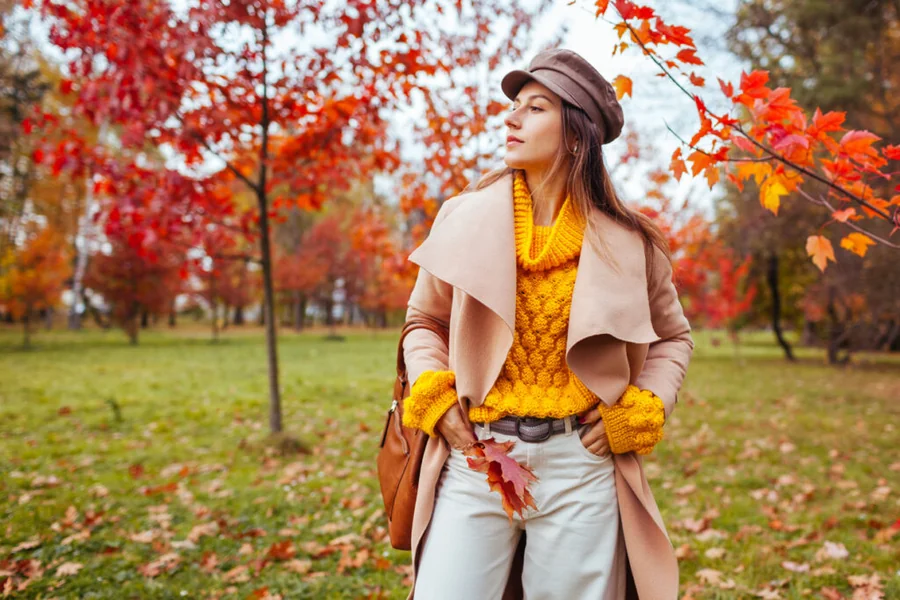
Transitioning from the crisp, leaf-strewn days of October into the freezing, snow-covered months of December and January often brings a drastic shift in our daily fashion choices. The vibrant, warm colors of fall are frequently packed away in storage boxes, quickly replaced by a sea of monochromatic blacks, greys, and navy blues. However, this seasonal wardrobe shift does not have to be so absolute or creatively limiting. The concept of Autumnal Hues: Translating Fall Colors into Everyday Winter Wear is all about keeping that inviting warmth alive even when the temperature drops well below freezing. By strategically carrying over rich earth tones, deep jewel shades, and spicy neutrals, you can create a winter aesthetic that stands out in a crowd of dark, heavy coats. This approach not only breathes fresh life into your daily outfits but also has a remarkable effect on your overall mood during the darkest and shortest days of the year. There is a profound psychological benefit to wearing colors that evoke comfort, fire, and organic beauty when the world outside is stark, grey, and white. Embracing this styling philosophy allows you to maximize your closet’s potential, ensuring your favorite colorful pieces are not relegated to just a few short weeks of wear. You can easily adapt your cozy autumnal favorites into winter-ready ensembles with the right styling, layering techniques, and thoughtful fabric choices. By rethinking how colors interact with heavier winter garments, you can maintain a vibrant personal style all year round.
The Magic of Fall Palettes in Cold Weather
The traditional autumn color palette is heavily inspired by the changing of the natural landscape, featuring deep forest greens, mustard yellows, burnt oranges, rich burgundies, and warm terracotta browns. These shades are inherently comforting, mimicking the hues of falling leaves, evening campfires, and seasonal harvests. When winter arrives, the natural world loses much of this pigmentation, which is exactly why introducing these colors into your winter wardrobe is such a powerful sartorial choice. Wearing a vibrant rust-colored sweater or a plum-toned scarf against the bleak backdrop of a snowy city street creates a visually striking contrast that elevates your entire look. Color theory suggests that warm colors can actually influence our perception of temperature and mood, making us feel cozier and more energetic even on the most bitterly cold mornings.
Many people hesitate to wear these shades past November because they mistakenly believe that fashion rules dictate a strict adherence to icy tones and dark neutrals during winter. In reality, modern fashion celebrates the breaking of these outdated seasonal boundaries. The secret to making fall colors work in the dead of winter lies in the saturation and depth of the hues you choose. While bright, neon-leaning colors might feel out of place, deep, saturated jewel tones and grounded earth colors translate perfectly into January and February. Think of swapping a bright pumpkin orange for a deeper, muted brick red, or trading a light olive green for a rich, dark hunter green. These subtle shifts in shade maintain the essence of autumn while offering the visual weight necessary for a proper winter outfit.
Furthermore, integrating these colors allows for a much more personalized wardrobe. If everyone else is walking around in black puffer jackets and grey wool trousers, stepping out in a camel-colored coat with a mustard yellow beanie instantly marks you as someone with a keen eye for style. It shows a level of intentionality in your dressing that commands quiet attention. You do not need to overhaul your entire closet to achieve this effect; even the smallest injection of a warm autumn color can completely transform a standard winter uniform.
How to Blend Earth Tones with Winter Staples
Successfully bringing autumn shades into your winter rotation requires a thoughtful approach to mixing and matching. The foundation of most winter wardrobes consists of essential staples: dark denim, black trousers, heavy charcoal overcoats, and neutral knitwear. These items are indispensable because they provide the necessary warmth and versatility required for cold climates. The key to blending fall colors into this mix is to use your winter staples as a neutral canvas upon which your autumnal shades can truly shine. Rather than competing for attention, the dark winter basics ground the warm colors, making the overall outfit feel cohesive and seasonally appropriate.
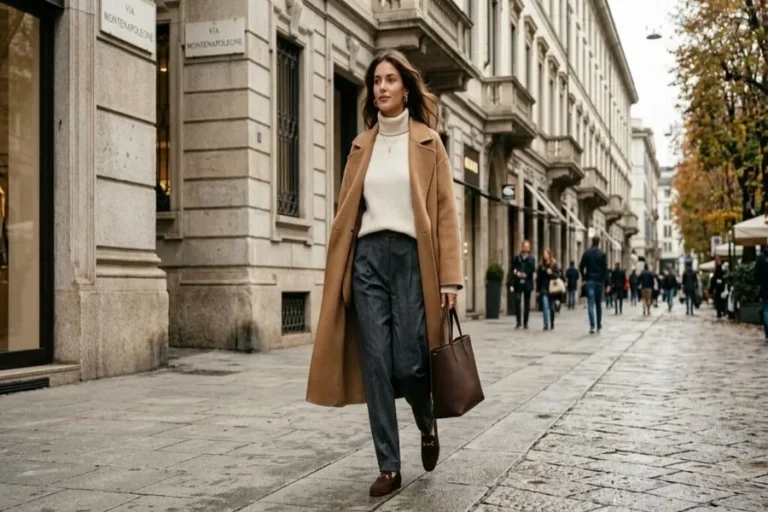
Consider starting with your outerwear. If you are in the market for a new winter coat, bypassing the standard black or navy in favor of a deep chocolate brown, dark burgundy, or camel can be a game-changer. These colors are just as versatile as traditional winter darks but offer a much richer visual appeal. If you already own a neutral coat, you can easily introduce fall colors through your layering pieces. A chunky knit turtleneck in a rich terracotta or a deep ochre shade looks incredibly sophisticated when worn underneath a heavy charcoal grey wool coat. The contrast between the cold grey and the warm knit creates a balanced, dynamic look that perfectly captures the transition between the seasons.
Accessories are another excellent and low-risk way to experiment with blending these palettes. Winter demands scarves, hats, and gloves, making these items the perfect vehicles for autumn colors. A forest green cashmere scarf draped over a black winter jacket adds immediate depth and personality to an otherwise standard outfit. Similarly, swapping out standard black leather gloves for a pair in warm chestnut or oxblood leather adds a subtle touch of elegance and warmth. Footwear also plays a crucial role in this transition. While black winter boots are a practical necessity for many, dark brown or burgundy leather boots offer the same level of protection against the elements while tying perfectly into an autumn-inspired color scheme. The goal is to distribute these warm colors thoughtfully throughout your outfit, creating harmony between the heavy, protective nature of winter clothing and the inviting aesthetics of the fall season.
Layering Textures to Elevate Warm Colors
While color is the primary focus when translating fall aesthetics into winter wear, texture plays an equally important, yet often overlooked, role in how those colors are perceived. In the warmer months, fabrics tend to be flat and smooth, like cotton and linen. However, winter fashion is defined by its rich, dimensional textures—think heavy wools, soft cashmeres, ribbed knits, corduroy, and faux fur. The way light interacts with these varying textures can dramatically alter the appearance of a color, adding incredible depth and richness to autumnal shades.
When you pair a fall color with a heavy winter texture, the color instantly feels more appropriate for cold weather. For example, a flat cotton shirt in mustard yellow might look slightly out of place in a blizzard, but a thick, cable-knit sweater in that exact same shade feels perfectly designed for a snowy day by the fireplace. The physical weight and the tactile nature of winter fabrics ground the vibrant fall colors, preventing them from looking too breezy or unseasonable. Corduroy is an exceptional fabric for bridging this gap. A pair of thick corduroy trousers in a burnt sienna or dark olive not only provides essential warmth but also features a velvety ribbed texture that makes the color appear richer and more complex as you move.
Layering these textures is the ultimate styling technique for mastering this seasonal transition. Combining different fabrics in harmonious autumn colors creates an outfit that is visually intriguing and exceptionally warm. Imagine pairing a smooth, dark brown leather jacket over a textured, rust-colored wool sweater, finished with a soft, brushed-cotton scarf in a subtle plaid pattern that incorporates hints of yellow and green. The variety of textures—the sleekness of the leather, the roughness of the wool, and the softness of the brushed cotton—works together to make the autumnal color palette feel intentional and winter-ready. By paying close attention to the fabrics you choose, you can confidently wear your favorite fall hues straight through the coldest months of the year, knowing that the textures are doing the heavy lifting to keep your style grounded in the current season.
FAQs
Can I wear burnt orange in the middle of January? Yes, burnt orange adds a much-needed pop of warmth to January’s typically cold and neutral color landscape.
What are the best autumn colors for a winter coat? Forest green, camel, and deep burgundy are excellent autumn colors that transition perfectly into heavy winter outerwear.
How do I avoid looking out of season when wearing bright fall colors? Pair your autumn colors with heavy winter textures like thick wool or cashmere to keep the overall outfit appropriate for the current weather.
Do warm earth tones work well with standard black winter boots? Earth tones pair beautifully with black boots, especially when you use a transitional neutral color like dark grey or olive in your trousers.
Is it visually appropriate to mix multiple fall colors in one winter outfit? You can safely mix multiple colors by choosing one dominant autumnal shade and using the others as subtle accessories to maintain a balanced look.
Final Thought
Shedding the dark, monotonous uniform of winter does not require sacrificing warmth or practicality. By thoughtfully integrating the rich, comforting shades of autumn into your cold-weather rotation, you can build a wardrobe that is as joyful as it is functional. The key lies in balancing vibrant earth tones with staple winter neutrals, utilizing heavy, cold-weather fabrics, and layering with intention. Whether it is a subtle burgundy scarf or a statement-making camel coat, these colorful additions have the power to transform not just your outward appearance, but your internal outlook during the bleakest months. Embrace the warmth of the fall palette all year long, and allow your winter style to stand out with confidence, creativity, and enduring comfort.